
Guide for clinic owners
Website speed and patient trust
Slow clinic websites lose patients before saying a word. What Core Web Vitals measure, why Google cares, and how to check your own site in two minutes.
26 July 2026 · 5 min read · CareInflow

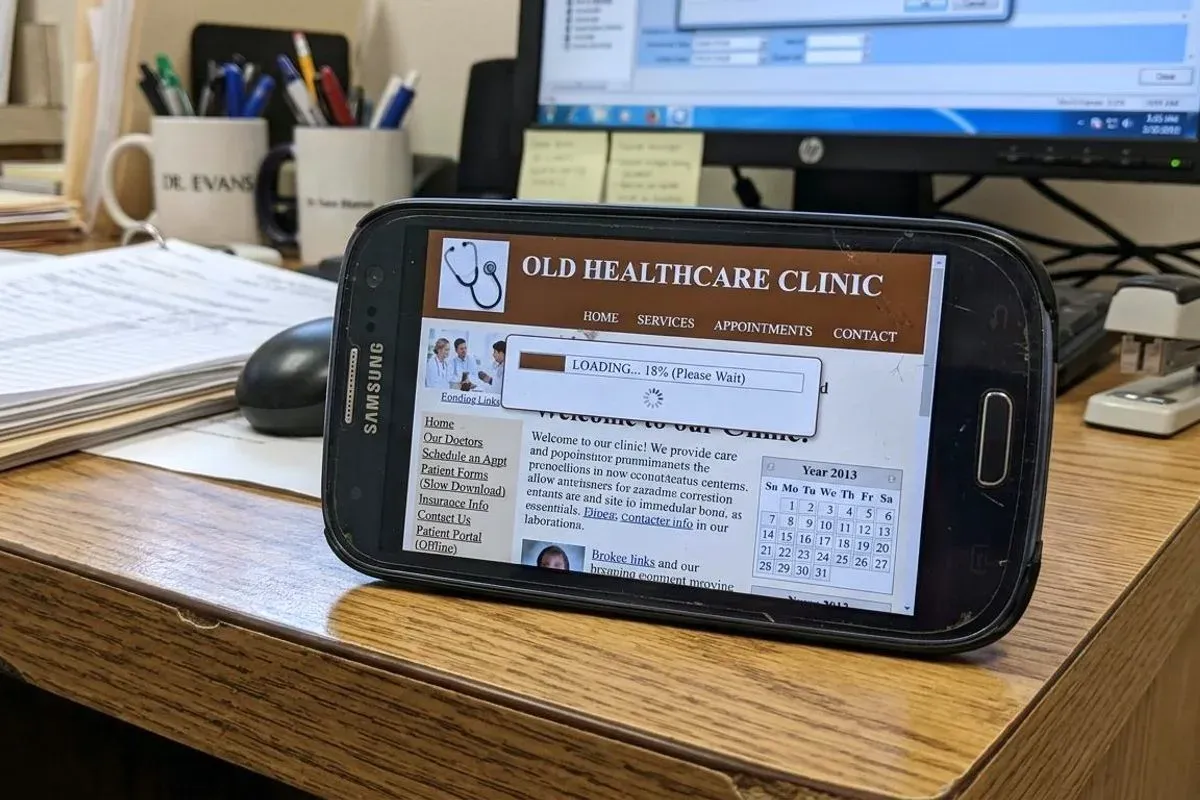
Here is an uncomfortable experiment: open your clinic’s website on a phone, on mobile data, outside your own Wi-Fi. Count the seconds until you can actually read it.
If you counted past three, many of your would-be patients never saw the site at all. They pressed back and tapped the next clinic.
Why does a slow website lose patients?
A patient’s trust judgment starts before your homepage appears. A site that loads instantly feels professional, cared for, current, competent. A site that stutters in feels like a waiting room with flickering lights: nothing is medically wrong, but something is off.
This matters doubly in North Gujarat, where the typical patient searches on a mid-range Android over a mobile connection. Sites that feel fine on an office laptop routinely take five or more seconds there.
What does Google measure?
Google scores real visitors’ experience with three measurements, called Core Web Vitals:
- LCP (Largest Contentful Paint): how quickly the main content appears. Good is under 2.5 seconds; we build to a reference under 1.2.
- INP (Interaction to Next Paint): how quickly the page responds when tapped. Good is under 200 milliseconds.
- CLS (Cumulative Layout Shift): whether the page jumps around while loading, moving the button just as you tap it. Good is under 0.1.
These are not abstract engineering scores. Each one describes a moment of patient frustration, waiting, tapping with no response, mis-tapping because the layout jumped. Google uses them in ranking because users hate them.
Why are most clinic websites slow?
Almost always the same short list: oversized photos uploaded straight from a camera, page-builder themes carrying megabytes of scripts for features nobody uses, autoplaying video, and a decade of plugins nobody removed. None of it is necessary. A clinic website’s content, text, photos, a map, a WhatsApp button, is genuinely lightweight when built with discipline.
How can you test your own website in two minutes?
Google’s own test is free: search “PageSpeed Insights”, enter your website address, and read the mobile score. It shows the same Core Web Vitals data Google itself uses. While it runs, do the human version too. Load the site on your own phone, on mobile data.
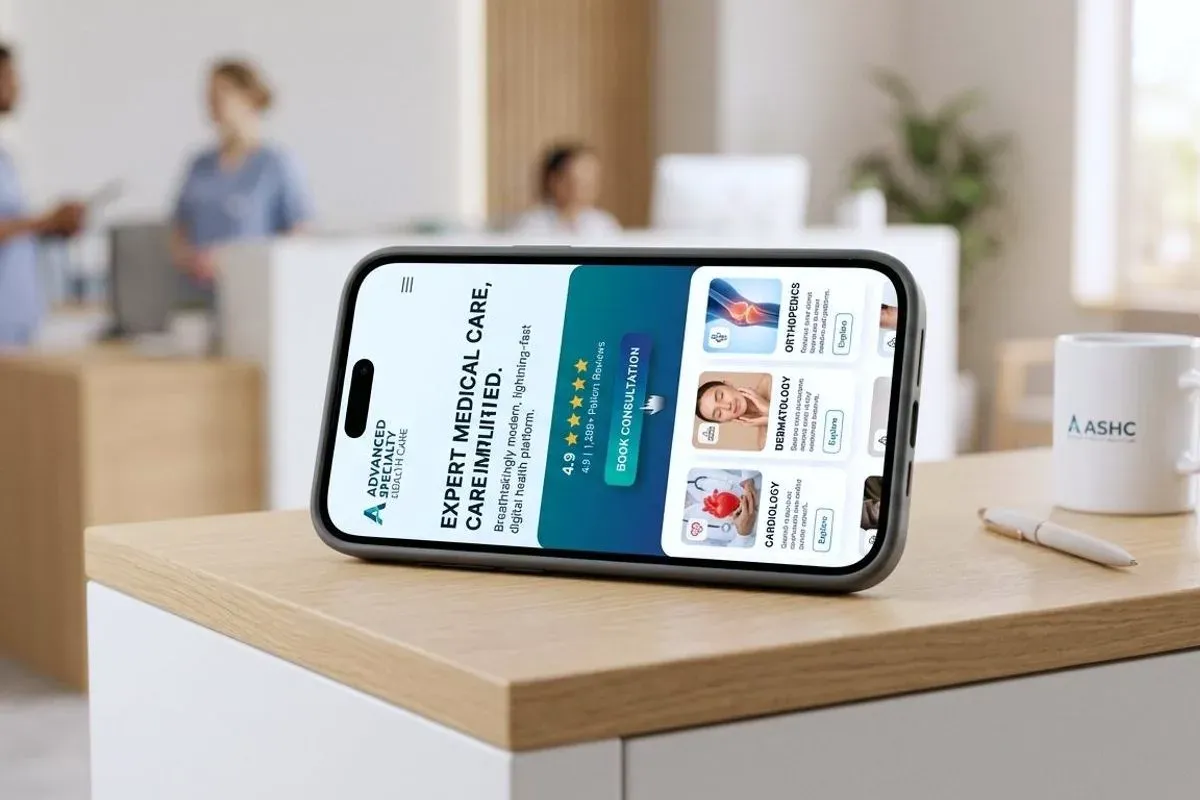
If both feel fine, your foundation is healthy. If not, speed is usually the cheapest large improvement available to your practice, because it lifts everything at once: patient impressions, search ranking, and how many people ever see the pages you paid for. It is a core requirement in every website we build, and this site, the one you are reading, is built to the same reference we quote.